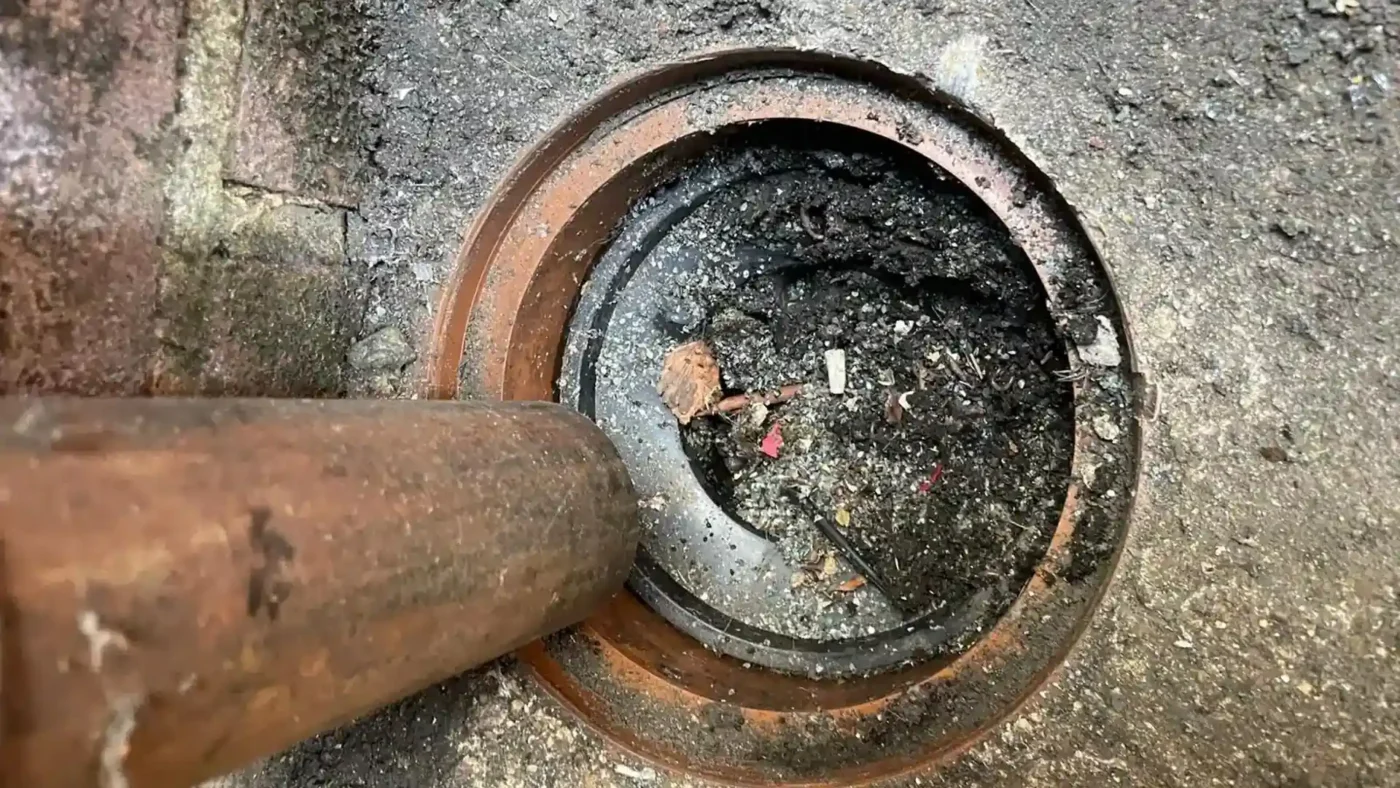
Blocked drains can cause unpleasant smells, slow drainage, standing water and, in more serious cases, wastewater backing up into a property. For homeowners and businesses looking for Blocked Drain Repair Bracknell, understanding the causes and warning signs can make it easier to respond before a minor blockage becomes a major plumbing emergency. Precision Draincare provides professional drainage services designed to identify drainage problems and help restore normal flow.
Precision Draincare understands that drainage problems can occur unexpectedly and affect kitchens, bathrooms, gardens, driveways and commercial premises. While some blockages develop gradually, others can appear suddenly because of accumulated waste, foreign objects, tree roots or structural problems within underground pipework. Recognising the symptoms early can help property owners arrange appropriate assistance.
For anyone searching for Blocked Drain Repair Bracknell, the right solution depends on what is causing the obstruction. Clearing the visible symptoms without addressing the underlying problem may only provide temporary relief. A proper assessment can help determine whether the blockage is caused by household waste, damaged pipework, roots or another issue.
What Causes Blocked Drains?
Drain blockages can develop for several different reasons. Understanding the most common causes can help homeowners prevent recurring problems.
1. Food Waste and Grease
Kitchen sinks are particularly vulnerable to blockages caused by fats, oils and grease. When these substances enter the drainage system, they can cool and stick to the inside of pipes. Food particles may then attach to the buildup, gradually restricting the flow of water.
Avoid pouring cooking oil, grease or large amounts of food waste down the sink. Using a suitable kitchen strainer can also help prevent solid particles from entering the pipework.
2. Hair and Soap Deposits
Bathroom drains frequently become blocked because of hair, soap residue and other materials. Hair can combine with soap deposits and form dense masses that restrict water flow.
Cleaning plugholes regularly and using drain covers can reduce the amount of material entering the drainage system.
3. Wipes and Sanitary Products
Toilets should generally only receive toilet paper and human waste. Wet wipes, sanitary products, cotton buds and similar items can create serious blockages because they do not break down in the same way as toilet paper.
Even products marketed as flushable can contribute to drainage problems when flushed in large quantities.
4. Tree Roots
Outdoor drainage pipes can sometimes be affected by growing tree roots. Roots naturally seek water and may enter small cracks or joints in underground pipes. As they grow, they can restrict or obstruct the pipe.
Root-related blockages may continue to return unless the underlying intrusion is addressed.
5. Damaged or Collapsed Pipes
A blockage is not always caused by waste. Cracked, displaced or collapsed pipes can prevent wastewater from flowing normally. Ground movement, age, corrosion and external pressure can contribute to pipe damage.
When blockages repeatedly return despite being cleared, damaged pipework may need to be investigated.
Warning Signs of a Blocked Drain
Recognising early warning signs can help prevent a drainage issue from becoming more disruptive. Common symptoms include:
- Water draining slowly from sinks or baths
- Gurgling sounds from plugholes or toilets
- Unpleasant smells coming from drains
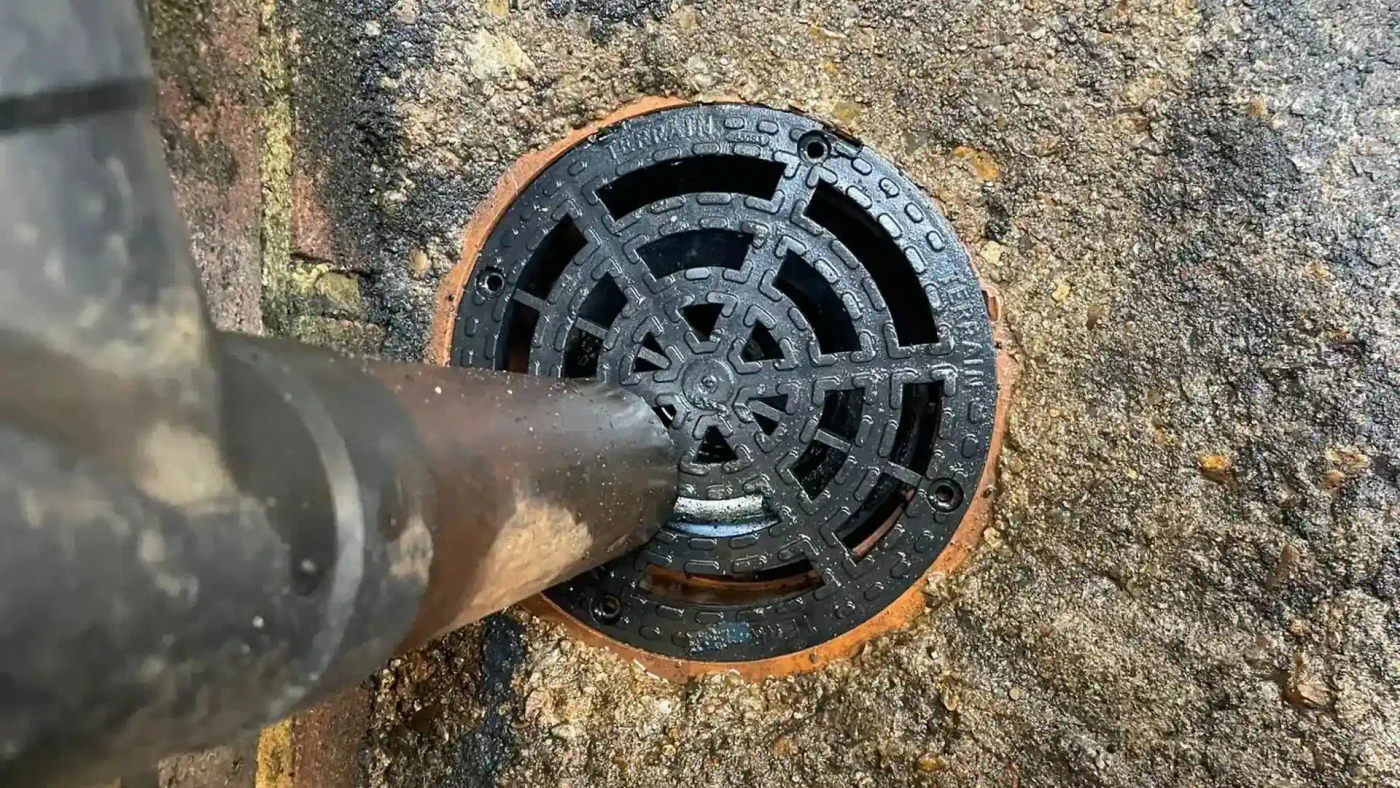
- Water collecting around outdoor drain covers
- Toilets taking longer to empty
- Wastewater backing up into sinks or showers
- Repeated blockages in the same location
A single slow drain may indicate a local obstruction, while several affected fixtures can suggest a larger problem within the property’s drainage system.
Effective Solutions for Blocked Drains
The appropriate drainage solution depends on the severity and location of the blockage.
Drain Rods for Minor Blockages
For simple, accessible blockages, a suitable drain plunger or drain rod may sometimes help restore water flow. However, care should be taken because incorrect use can damage certain drainage systems or push an obstruction further into the pipe.
High-Pressure Water Jetting
Professional high-pressure water jetting uses controlled water pressure to break down and remove deposits from the inside of drainage pipes. It can be particularly useful for stubborn accumulations of grease, sludge and other debris.
Drain Camera Surveys
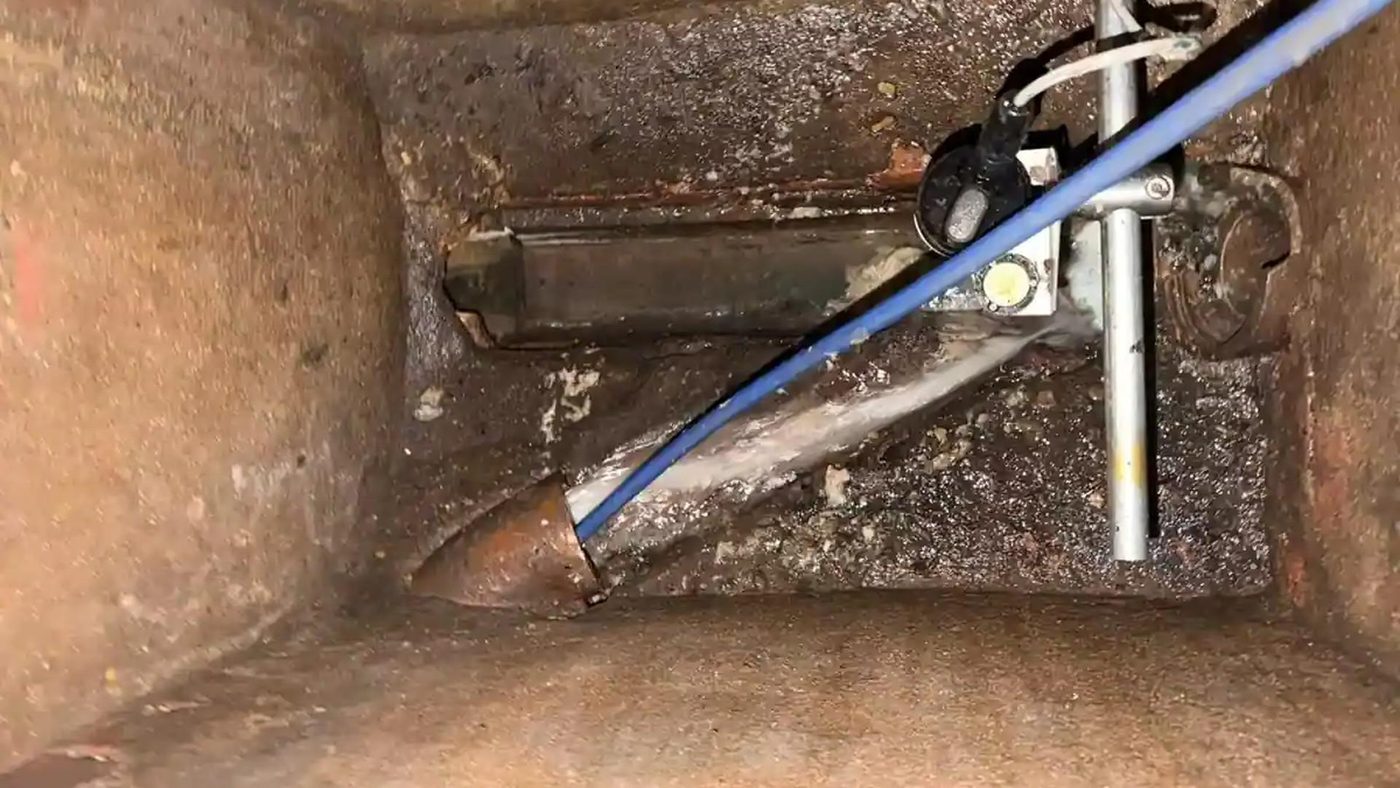
When the cause of a blockage is unclear or problems repeatedly return, a CCTV drain survey can provide a closer look inside the pipe. A camera can help identify issues such as cracks, root intrusion, displaced joints and other structural defects.
This approach can be useful because it allows the condition of the drainage system to be assessed without immediately excavating the ground.
Professional Drain Cleaning
Professional drain cleaning can address blockages that cannot be safely or effectively removed using household methods. Experienced drainage specialists can select an appropriate technique based on the pipe, blockage and surrounding circumstances.
How Can You Prevent Drain Blockages?
Prevention starts with being careful about what enters your drainage system. Simple habits can make a meaningful difference.
In the kitchen, dispose of cooking fats and oils in an appropriate container rather than pouring them down the sink. Remove food scraps from plates before washing them and consider installing a sink strainer.
In bathrooms, regularly remove accumulated hair from plugholes. Avoid flushing wipes, sanitary products, cotton buds and other unsuitable materials down the toilet.
Outdoor drains should also be kept clear of leaves, mud and garden debris. During periods of heavy rainfall, blocked external drains can contribute to standing water and drainage problems around a property.
Regular maintenance is particularly valuable for older drainage systems or properties with a history of recurring blockages.
When Should You Call a Professional?
Some minor blockages may respond to simple household measures, but professional assistance is advisable when the problem is persistent, severe or recurring.
You should consider arranging a professional inspection if several drains are affected, wastewater is backing up, foul smells persist, an outdoor drain is overflowing or previous attempts to clear the blockage have failed.
Repeated blockages deserve particular attention. Clearing the obstruction without investigating why it keeps returning may mean the underlying issue remains unresolved.
Frequently Asked Questions
What is the most common cause of a blocked drain?
Common causes include grease and food waste, hair, unsuitable flushed items, accumulated debris and tree roots. The exact cause depends on where the blockage occurs.
Can boiling water unblock a drain?
Boiling water may help loosen some grease deposits, but it is not suitable for every type of pipe or blockage. It should not be relied upon for severe or recurring drainage problems.
Why does my drain keep getting blocked?
Recurring blockages can be caused by ongoing waste buildup, tree root intrusion, damaged pipes or an obstruction that has not been completely removed.
Are wet wipes safe to flush?
Wet wipes can contribute to blockages even when labelled as flushable. Disposing of them in a household waste bin is generally safer for drainage systems.
How can I prevent blocked drains?
Avoid putting grease, food waste and unsuitable items into drains, use drain covers where appropriate, keep outdoor drains clear and arrange professional maintenance when recurring problems develop.
Conclusion
Blocked drains can range from a minor inconvenience to a serious property problem involving wastewater, unpleasant odours and potential damage. Understanding common causes and recognising early warning signs can help homeowners respond promptly. Preventative habits, regular maintenance and professional drainage techniques can all contribute to a healthier drainage system and reduce the likelihood of recurring blockages.
Contact
Phone: 07717449094
Email: info@precisiondraincare.co.uk
Address: 24 WEST AVENUE, HAYES, UB3 2EY.
