Cold weather, heavy rainfall and falling leaves can put additional pressure on residential and commercial drainage systems. For property owners looking for Winter Drain Maintenance Hayes, preparing drains before winter can help reduce blockages, unpleasant odours, standing water and avoidable pipe damage. Precision Draincare provides professional drainage support to help properties maintain reliable wastewater flow throughout the colder months.
Precision Draincare understands that winter drainage problems can develop from several factors at the same time. Leaves and garden debris can enter outdoor drains, while grease, food waste and other materials can accumulate inside household pipework. Combined with increased rainfall and colder temperatures, these issues can make existing drainage weaknesses more noticeable.
Choosing Winter Drain Maintenance Hayes before serious problems develop allows homeowners and businesses to identify potential issues early. Regular inspection and sensible preventative measures can help protect drainage systems from avoidable blockages and reduce the likelihood of emergency repairs during periods of poor weather.
Why Is Winter Drain Maintenance Important?
Winter can expose weaknesses that may not be obvious during drier months. Heavy rainfall places greater demand on external drainage systems, while leaves, mud and other debris can restrict grates and gullies.
When water cannot flow away efficiently, it may collect around driveways, gardens, paths and building foundations. Persistent standing water can become inconvenient and may contribute to damp-related problems if drainage issues are left unresolved.
Inside a property, everyday substances such as grease, hair and food particles can gradually narrow pipes. When combined with increased water usage and colder conditions, an existing partial blockage may become a complete obstruction.
Common Winter Drain Problems
Blocked Outdoor Drains
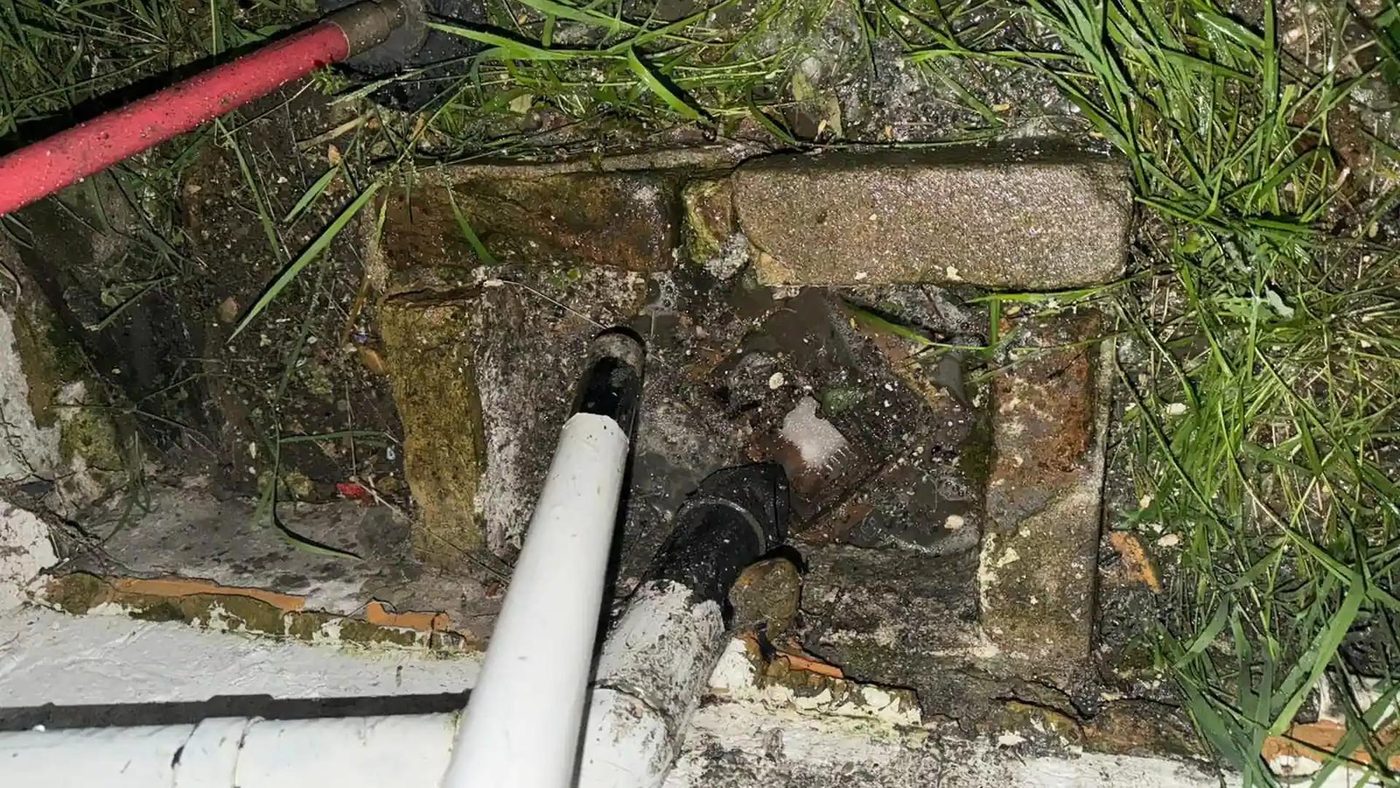
Fallen leaves are one of the most common seasonal causes of outdoor drainage problems. Leaves can collect over drain covers and prevent rainwater from entering the system efficiently.
Regularly clearing visible debris from drain grates can help maintain water flow. However, property owners should avoid attempting to remove deep or inaccessible blockages themselves if doing so could be unsafe.
Grease and Fat Buildup
Kitchen drainage systems can accumulate fats, oils and grease throughout the year. These substances can stick to the inside of pipes and trap other debris.
Never pour cooking oil or grease directly down the kitchen sink. Allow it to cool and dispose of it appropriately instead.
Tree Root Intrusion
Tree roots can enter underground drainage pipes through small cracks or damaged joints. Once inside, they can grow and restrict the flow of wastewater.
If an outdoor drain repeatedly becomes blocked despite being cleared, tree root intrusion or another underground issue may need to be investigated.
Damaged Drainage Pipes
Older drainage systems can develop cracks, displaced joints or other structural problems. Heavy rainfall may make these issues more noticeable because the system has to handle larger volumes of water.
A CCTV drain survey can help identify problems inside underground pipework without immediately requiring excavation.
Essential Winter Drain Maintenance Tips
1. Clear Leaves and Debris
Inspect outdoor drains regularly during autumn and winter. Remove leaves, twigs and other visible debris from drain covers and surrounding areas.
Pay particular attention after periods of strong wind or heavy rainfall, when additional garden debris may have accumulated.
2. Keep Kitchen Drains Clear
Use a sink strainer to prevent food particles from entering the drainage system. Avoid washing large quantities of food waste into the sink and dispose of cooking fats and oils separately.
These simple habits can reduce the amount of material that accumulates inside kitchen pipes.
3. Check for Slow Drainage
Slowly draining sinks, baths and showers can be an early indication of a developing blockage. Addressing the issue before the pipe becomes completely obstructed can help prevent more disruptive drainage problems.
Listen for gurgling noises and pay attention to unpleasant smells coming from plugholes, as these can also indicate restricted drainage.
4. Inspect Outdoor Drainage Areas
Check gullies, grates and visible drainage points around the property. Standing water after rainfall may indicate that water is not entering or leaving the drainage system properly.
If the issue continues after visible debris has been removed, professional investigation may be appropriate.
5. Arrange Professional Drain Cleaning
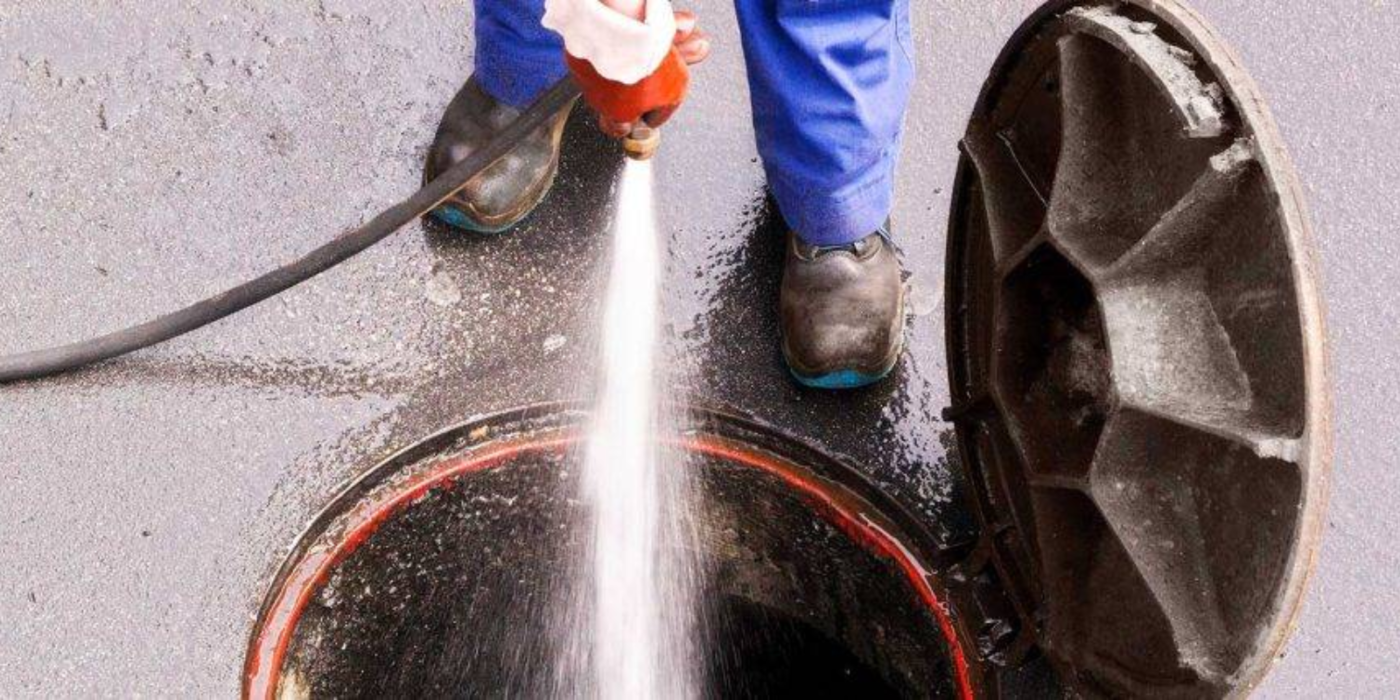
Professional drain cleaning can remove accumulated deposits that ordinary household cleaning cannot reach. Depending on the situation, specialists may use techniques such as high-pressure water jetting to clean the inside of drainage pipes.
This can be particularly useful for properties with recurring blockages or older drainage systems.
6. Consider a CCTV Drain Survey
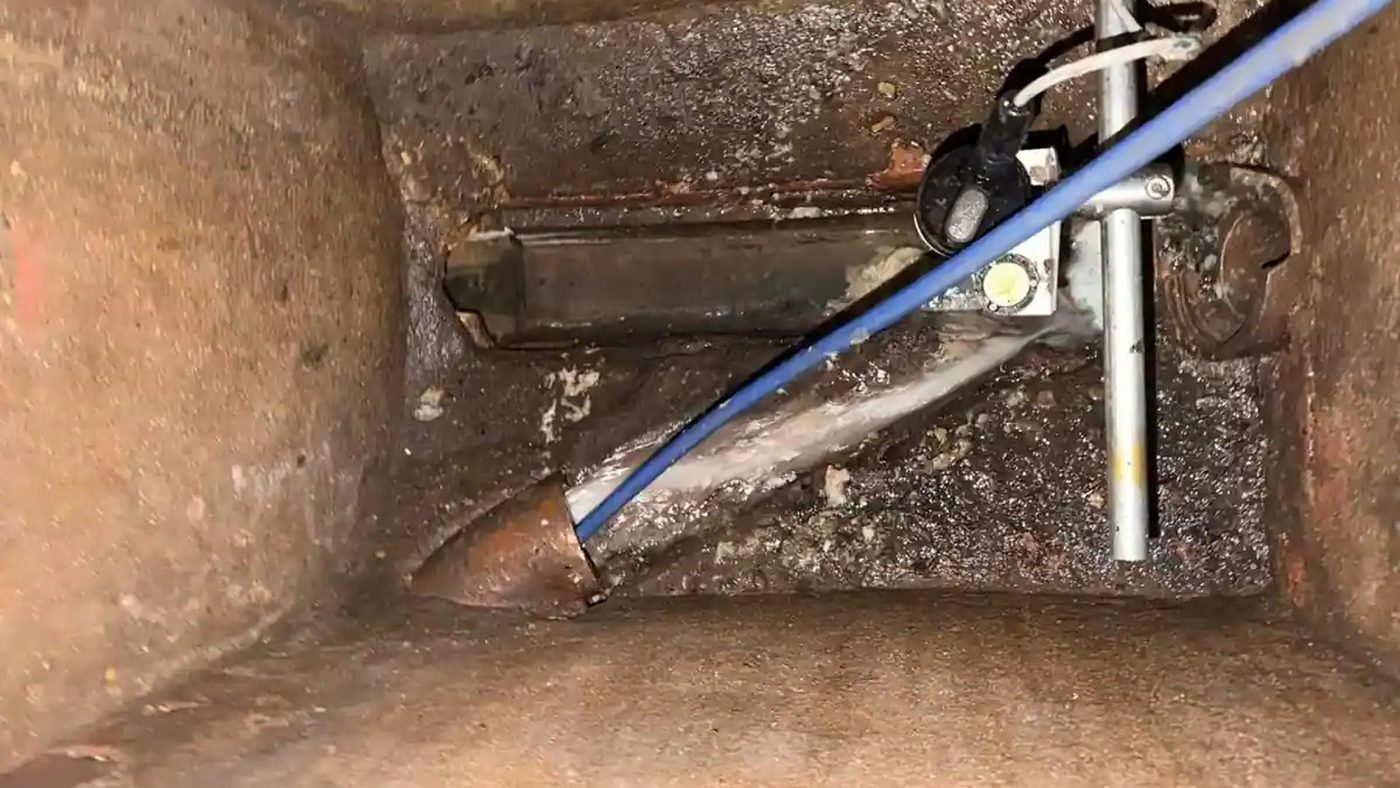
A CCTV inspection can provide detailed information about the internal condition of underground pipework. It may identify cracks, root intrusion, displaced joints, accumulated debris or other structural concerns.
This type of inspection can be especially useful when drainage problems keep returning without an obvious surface cause.
What Are the Warning Signs of Drain Damage?
Property owners should act promptly when they notice:
- Water draining more slowly than usual
- Gurgling sounds from sinks or toilets
- Persistent unpleasant drain smells
- Water pooling around outdoor drains
- Repeated blockages
- Wastewater backing up into fixtures
- Damp areas near underground drainage routes
- Cracks or visible damage around drainage covers
A recurring problem should not simply be treated as an isolated blockage. It may indicate a deeper issue within the drainage system.
How Can Businesses Prepare Their Drains for Winter?
Commercial properties can face additional drainage demands because of higher water usage and larger numbers of occupants. Restaurants, offices, retail premises and other businesses should consider regular inspections and cleaning as part of their winter property maintenance.
Businesses that rely heavily on kitchen facilities should pay particular attention to grease and food waste. Outdoor drainage points should also be checked before periods of heavy rainfall.
A preventative maintenance programme can help identify developing problems before they cause disruption to staff, customers or daily operations.
What Should You Do During a Drainage Emergency?
If wastewater begins backing up into a property, minimise water use until the cause has been identified. Avoid repeatedly flushing toilets or running taps if the drainage system cannot clear wastewater effectively.
For an overflowing external drain, keep people away from contaminated water and arrange professional assistance. Where sewage or contaminated water has entered a property, appropriate cleaning and sanitation measures may also be necessary.
Trying to force a severe blockage through the system without understanding its cause can potentially make the problem worse.
Frequently Asked Questions
Why are drains more likely to block in winter?
Heavy rainfall, fallen leaves, garden debris and existing deposits inside pipes can combine to increase the risk of drainage problems during winter.
How often should outdoor drains be checked?
Outdoor drains should be visually checked regularly, particularly during autumn and after periods of heavy rain or strong winds.
Can leaves cause serious drain blockages?
Yes. Large amounts of leaves and other debris can restrict drain entrances and prevent rainwater from flowing away efficiently.
When should I arrange a CCTV drain survey?
A CCTV survey can be useful when blockages repeatedly return, drainage is unusually slow or there are signs of possible underground pipe damage.
Can winter drain maintenance prevent every blockage?
No maintenance programme can guarantee that blockages will never occur, but regular inspections, cleaning and sensible waste-disposal habits can significantly reduce avoidable drainage problems.
Conclusion
Preparing drainage systems before and throughout winter can help protect properties from blockages, standing water and avoidable pipe damage. Clearing outdoor debris, preventing grease from entering kitchen drains, monitoring warning signs and arranging professional inspections when necessary are practical steps for maintaining reliable drainage. Early attention is particularly valuable when a property has experienced recurring problems or has older underground pipework.
Contact
Phone: 07717449094
Email: info@precisiondraincare.co.uk
Address: 24 WEST AVENUE, HAYES, UB3 2EY.
