
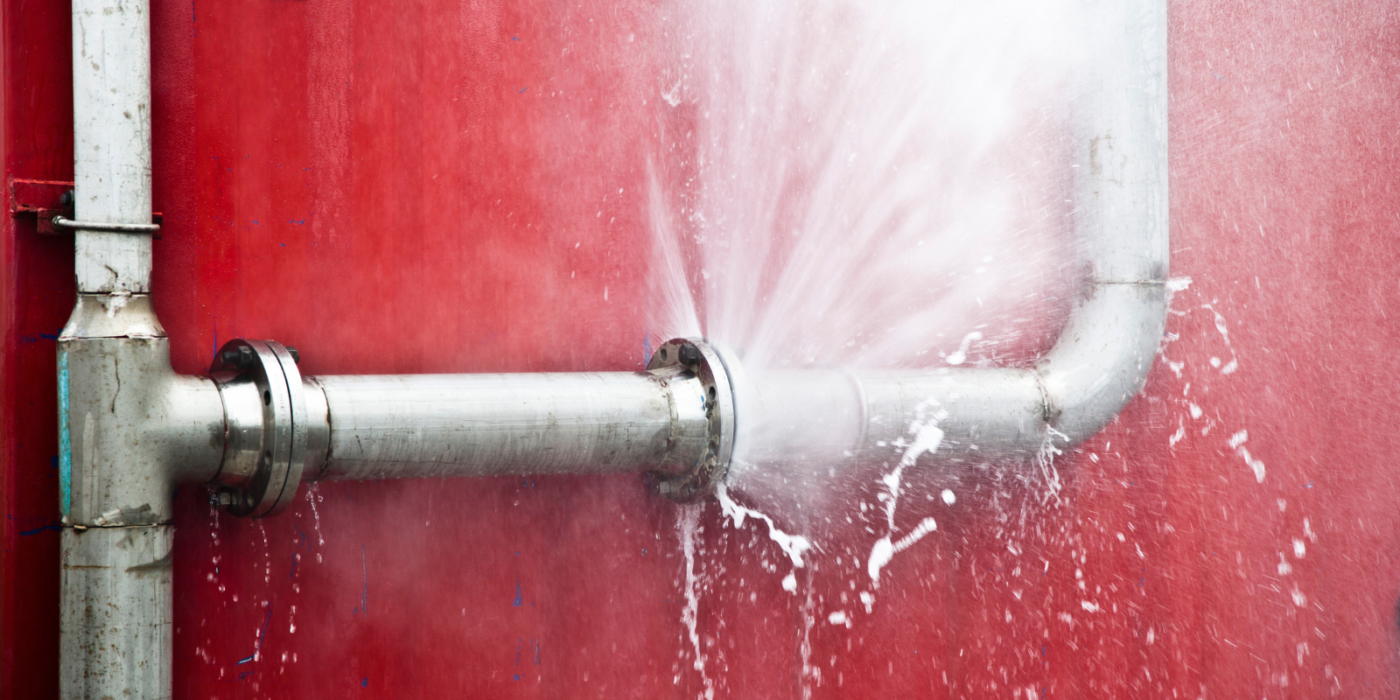
Winter can be a challenging season for household plumbing, particularly when temperatures drop below freezing. Frozen water inside pipes can expand, increase pressure and eventually cause cracks or ruptures. For homeowners searching for reliable Burst Pipe Repair Reading, understanding why pipes burst and how to prevent the problem can help reduce the risk of costly water damage. Precision Draincare provides professional drainage and plumbing support to help properties deal with unexpected pipe problems.
Precision Draincare understands that a burst pipe can quickly become an emergency. Water escaping from a damaged pipe can affect walls, ceilings, flooring, furniture and electrical systems. Acting quickly when a leak is discovered can limit the damage and make repairs more manageable. Knowing the common causes of winter pipe failures also allows homeowners to take preventative steps before freezing temperatures arrive.
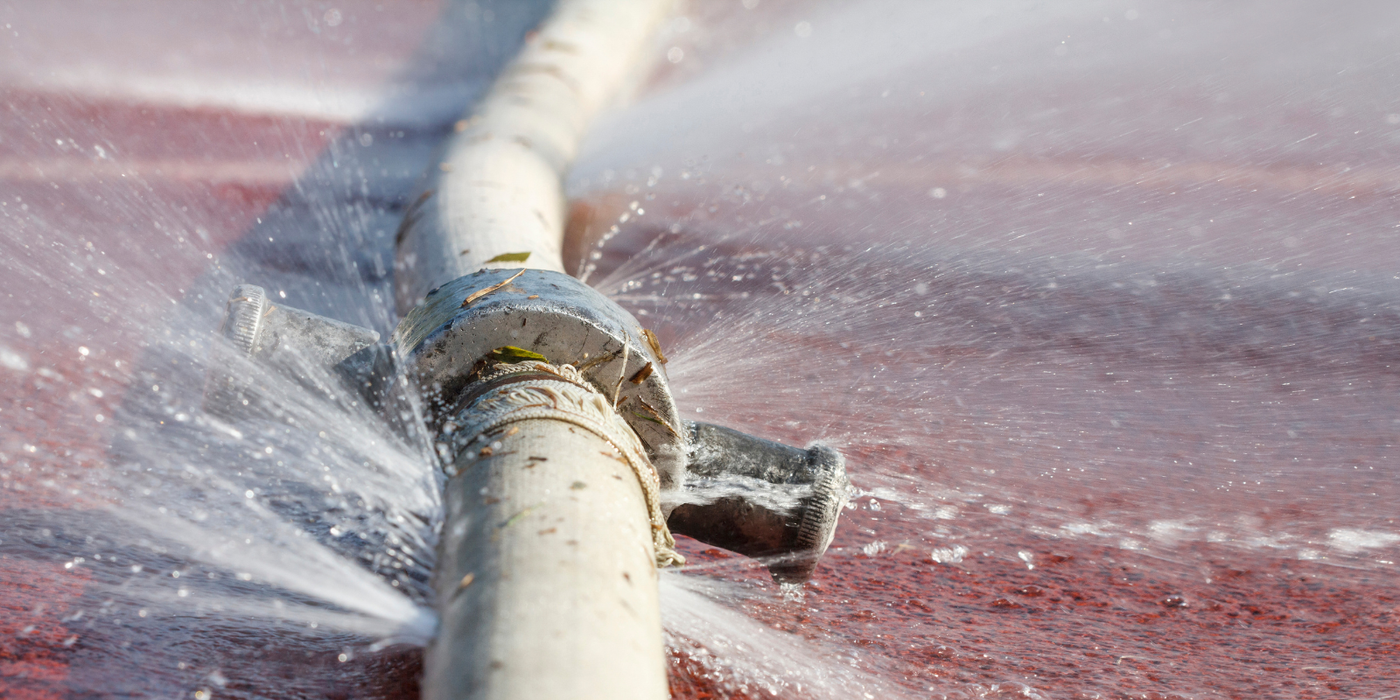
Why Do Pipes Burst More Often in Winter?
A common misconception is that pipes burst simply because the water inside them freezes. In reality, the pressure created by freezing water is a major part of the problem. As water freezes, it expands. If the expanding ice blocks part of a pipe, pressure can build between the ice blockage and a closed section of the plumbing system.
That pressure can eventually become strong enough to split or rupture the pipe. When temperatures rise and the ice begins to thaw, the stored pressure may force water through the damaged section, resulting in a significant leak.
The risk can be particularly high in pipes located in areas that are not adequately heated, including garages, lofts, external walls, basements and outbuildings.
What Causes Pipes to Freeze?
Several conditions can increase the likelihood of frozen plumbing during winter.
Freezing Outdoor Temperatures
Prolonged periods of very cold weather can cause exposed pipes to freeze, particularly when temperatures remain below freezing overnight.
Poor Insulation
Pipes without sufficient insulation lose heat more quickly. This makes them more vulnerable when the surrounding temperature falls sharply.
Unheated Areas
A property may be warm indoors while pipes in garages, sheds, lofts or other unheated spaces remain exposed to freezing conditions.
Cold Draughts
Gaps around doors, windows and external walls can allow cold air to reach pipes. Even relatively small draughts can contribute to freezing when temperatures remain low.
Long Periods Without Water Use
Water that remains stationary inside pipes for extended periods can freeze more readily than water moving through a regularly used plumbing system.
How Can You Prevent Burst Pipes in Winter?
Prevention is generally easier than dealing with extensive water damage after a pipe has failed. Homeowners can take several practical measures before and during cold weather.
Insulate Exposed Pipes
Pipe insulation helps reduce heat loss and provides additional protection against freezing temperatures. Pay particular attention to pipes in lofts, garages, utility areas and other spaces that are not consistently heated.
Keep Indoor Temperatures Consistent
Avoid allowing the property to become extremely cold, especially overnight. If you are going away during winter, maintaining a suitable level of background heating can help reduce the chance of internal pipes freezing.
Protect External Plumbing
Outdoor taps and exposed plumbing should receive appropriate protection before severe cold weather arrives. Where suitable, outdoor water supplies can be isolated and drained to reduce the amount of water left in exposed sections.
Seal Draughts
Check areas where cold air could enter around windows, doors and pipe openings. Sealing significant draughts can help maintain a more stable temperature around vulnerable plumbing.
Know Where Your Stopcock Is
Every homeowner should know where the property’s internal stopcock is located. If a pipe bursts, turning off the water supply quickly can substantially reduce the amount of water released into the property.
Check Pipes Regularly
Inspect visible plumbing for corrosion, cracks, dampness or other signs of deterioration. Small problems can become more serious when combined with freezing temperatures.
What Should You Do If a Pipe Bursts?
If you discover a burst pipe, the first priority should be to stop or reduce the flow of water. Turn off the main water supply using the stopcock if it is safe to do so. Open suitable taps to help relieve pressure from the plumbing system.
Next, move furniture, electrical equipment and other valuables away from the affected area where possible. If water has reached electrical sockets, appliances or wiring, avoid touching electrical equipment and seek appropriate professional assistance.
For homeowners looking for Burst Pipe Repair Reading, obtaining professional help quickly can be important, particularly when water is continuing to escape or the damaged pipe is difficult to access.
If the burst has caused substantial water damage, it may also be necessary to contact your home insurer and document the affected areas with photographs before major restoration work begins, where practical.
Signs That a Pipe May Be at Risk
Not every plumbing problem begins with a dramatic burst. Watch for warning signs such as:
- Unexplained damp patches on walls or ceilings
- Reduced or unusual water pressure
- Dripping or leaking joints
- Frost forming around exposed plumbing
- Strange noises when taps are turned on
- Unusually high water bills
- Damp smells or mould around plumbing areas
Identifying these signs early can give homeowners an opportunity to address a developing problem before it becomes a major emergency.
Why Professional Pipe Repairs Matter
A temporary fix may reduce water flow, but a proper repair should identify the damaged section and address the underlying cause. A professional can assess the condition of the pipe, determine whether freezing, corrosion, pressure or another issue contributed to the failure, and recommend an appropriate repair.
Professional attention is particularly useful where pipes are concealed behind walls, beneath floors or in difficult-to-access areas. Attempting complicated repairs without the necessary experience can potentially cause additional damage.
Frequently Asked Questions
Why do pipes burst in winter?
Pipes can burst when water inside them freezes and expands. The resulting pressure can cause vulnerable sections of pipe to crack or rupture.
Which pipes are most likely to freeze?
Pipes located in unheated or poorly insulated areas, such as lofts, garages, external walls and outbuildings, are generally more exposed to freezing conditions.
Can pipe insulation prevent freezing?
Insulation can significantly reduce heat loss and lower the risk of freezing, although it cannot guarantee that pipes will never freeze during severe weather.
What should I do first if a pipe bursts?
Turn off the property’s main water supply if possible, open suitable taps to relieve pressure, protect belongings from further water exposure and arrange professional assistance.
How can I prepare my plumbing for winter?
Insulate exposed pipes, maintain suitable indoor heating, protect outdoor plumbing, seal significant draughts and check visible pipes for signs of deterioration before temperatures fall.
Conclusion
Burst pipes can cause extensive disruption during winter, but sensible preparation can reduce the risk. Insulating vulnerable plumbing, maintaining suitable temperatures and identifying early warning signs are practical ways to protect a property. If a pipe does fail, shutting off the water promptly and arranging professional assistance can help limit damage and restore the plumbing system efficiently.
Contact Us
Phone : 07717449094
Email : info@precisiondraincare
Address : 24 WEST AVENUE, HAYES, UB3 2EY.
