

Hidden beneath your property lies a complex network of pipes and drains. Because this infrastructure remains completely out of sight, identifying the exact cause of a drainage issue proves exceptionally difficult using traditional methods. You cannot simply look underground to see why a sink drains slowly or why a foul odour lingers around the patio.
This is exactly where modern technology steps in to solve the problem. A CCTV drainage survey removes the guesswork from property maintenance by providing a clear, high-definition view of your underground pipework. Whether you are a homeowner dealing with persistent blockages, a landlord maintaining a portfolio, or a prospective buyer assessing a new property, understanding the condition of your drains remains essential.
This comprehensive guide explains exactly what a CCTV drainage survey entails, how the technology works, the problems it can uncover, and why booking a professional drain survey could save you thousands of pounds in extensive groundworks and repairs.
What Does a CCTV Drainage Survey Mean?
A CCTV drainage survey is an in-depth inspection of your property’s underground drainage system using specialised camera equipment. Instead of digging trenches to physically inspect pipes, drainage engineers insert a high-tech, waterproof camera into the network.
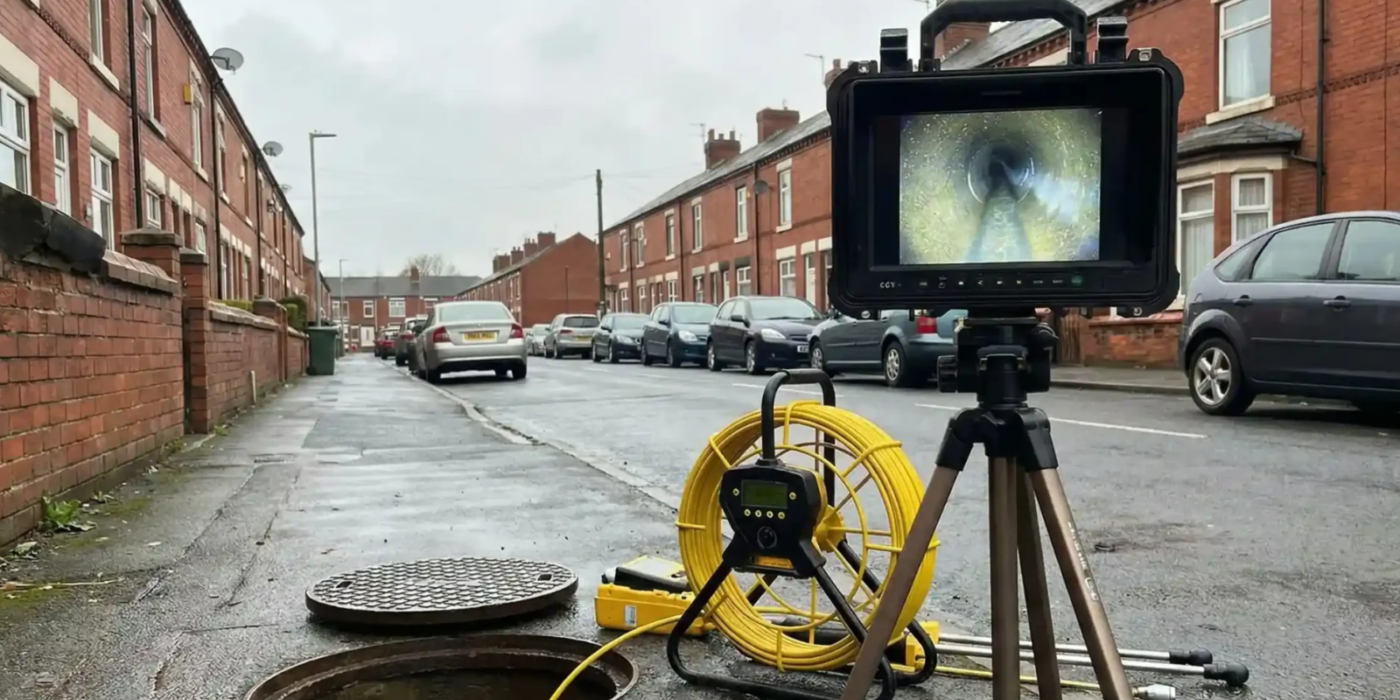
This camera travels through the pipes, sending live video footage back to a monitor viewed by the engineer above ground. The process allows professionals to conduct a thorough drain inspection survey without causing any damage to your driveway, garden, or flooring.
By performing an underground drain survey, specialists can assess the structural integrity of the pipes, map out the drainage network, and identify any blockages, leaks, or defects instantly. You receive a precise diagnosis based on hard visual evidence rather than assumptions.
How Does a CCTV Drain Survey Work?
Understanding the mechanics of a camera drain inspection helps property owners see the immense value of this service. The process is straightforward, non-destructive, and highly efficient.
Drain Camera Technology Explained
Modern drainage survey services rely on sophisticated equipment. The primary tool is a high-definition, waterproof camera attached to a flexible rod or a robotic crawler, depending on the pipe’s diameter. These cameras feature powerful LED lights to illuminate the dark, submerged environment.
The equipment contains sonar capabilities and radio transmitters. If the camera locates a collapsed drain or a severe root intrusion, the engineer can use a surface receiver to pinpoint the exact location and depth of the camera head. This technology ensures that if a repair requires excavation, the team only digs exactly where necessary.
How Engineers Inspect Underground Drains
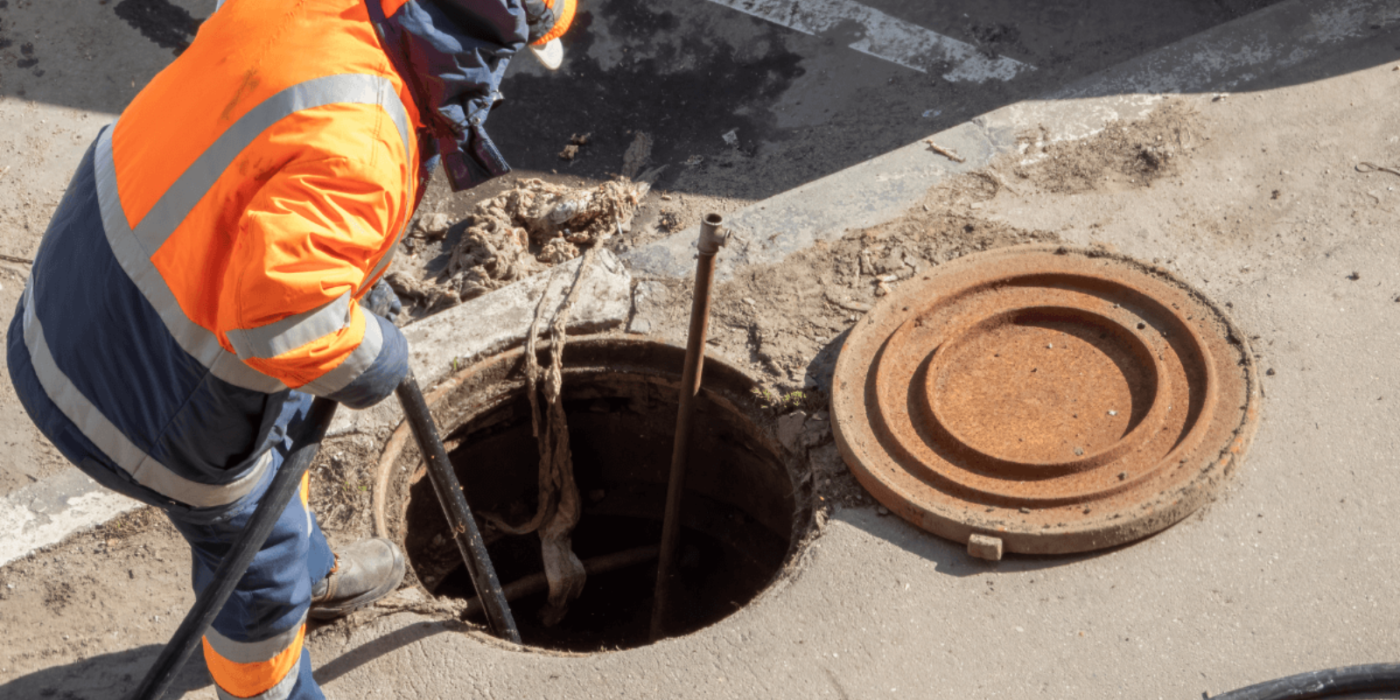
When you book a professional drain survey, the engineer arrives on-site and locates the main access points to your drainage system, typically the manhole covers. After securing the area, they feed the camera system into the drain.
As the camera pushes through the pipework, the engineer watches the live feed on a portable monitor. They carefully navigate corners, junctions, and varying pipe diameters. The engineer continuously assesses the flow of water, the condition of the pipe walls, and the presence of any foreign objects or structural weaknesses.
Recording & Reporting the Findings
A crucial part of any CCTV drain survey involves documenting the process. The engineer records the entire inspection. Once the survey concludes, they compile a comprehensive written report detailing every aspect of your drainage system.
This report includes high-resolution screenshots of specific defects, a precise map of the drainage layout, and an assessment of the pipe’s condition. If the engineer discovers a problem, the report will feature tailored drain repair recommendations and a no-obligation quote to resolve the issue.
Why Would You Need a CCTV Drainage Survey?
You might wonder what prompts someone to commission a drainage inspection. Property owners typically request a survey for several distinct reasons, ranging from emergency diagnostics to preventative property assessments.
Persistent Drain Blockages
If your toilet, shower, or kitchen sink constantly backs up despite your best efforts to clear it, you need a drain blockage inspection. Chemical cleaners and standard plunging only offer temporary relief if a structural issue or a hard, compacted mass causes the blockage. A camera inspection reveals the exact nature of the stubborn obstruction.
Bad Smells or Slow Drainage
Foul odours lingering inside your home or around your garden usually indicate trapped waste or a broken pipe allowing sewer gases to escape. Similarly, water draining away sluggishly suggests a partial blockage forming deep within the system. A survey identifies these issues before they escalate into complete system failures.
Homebuyer Drain Surveys
Purchasing a property represents one of the most significant financial investments you will ever make. While standard building surveys check the roof, walls, and foundations, they rarely inspect the underground drains. Commissioning a specific homebuyer drain survey protects you from inheriting expensive, hidden drainage problems that could cost thousands to fix.
Suspected Drain Damage
If you notice damp patches on your walls, sudden subsidence in your garden, or cracks appearing in your brickwork, a leaking or collapsed drain might be the culprit. Escaping water washes away the soil supporting your property. A CCTV inspection confirms or rules out drainage defects as the source of the structural damage.
Before Property Renovation or Extensions
Building an extension, a conservatory, or a new driveway over existing drains requires careful planning. Water authorities mandate that you cannot build directly over certain shared sewers without permission. An underground drain survey maps out the exact location of your pipes, ensuring your construction project complies with building regulations and does not damage the existing infrastructure.
What Problems Can a CCTV Drain Survey Identify?
The sheer variety of issues hiding within standard pipework often surprises property owners. A professional camera drain inspection can pinpoint numerous hidden defects:
- Cracked pipes: Ground movement, freezing temperatures, and general wear tear can cause hairline fractures. Left untreated, these cracks widen, allowing water to escape and weaken the surrounding soil.
- Collapsed drains: Severe structural failure leads to complete pipe collapse. This immediately stops the flow of wastewater and requires urgent attention to prevent flooding.
- Tree root intrusion: Tiny roots actively seek out moisture. They force their way through small pipe joints, eventually growing into thick masses that severely restrict water flow and shatter the pipe walls.
- Corrosion: Older properties often feature pitch fibre or cast-iron pipes. Over decades, these materials degrade, blister, and corrode, causing internal blockages and leaks.
- Pipe displacement: Ground subsidence or heavy surface traffic can cause pipe joints to slip out of alignment. This displacement creates a lip where solid waste catches and builds up.
- Fat, grease, and debris build-up: Pouring cooking oils down the sink leads to massive “fatbergs” in the drain network. Cameras easily identify these solid blockages.
- Leaks and water damage: Seeping joints slowly release wastewater into the ground, causing localized flooding, foul smells, and structural dampness.
- Rodent activity in drains: Rats frequently use drainage systems as highways into domestic properties. A survey can identify breach points where rodents enter your home.
Benefits of a CCTV Drainage Survey
Investing in a CCTV drain survey provides immense value, offering peace of mind and protecting your property from severe water damage.
- Non-invasive inspection: Engineers diagnose complex issues without lifting a single patio slab or digging up your lawn.
- Accurate diagnosis: Visual evidence removes all guesswork. You know exactly what the problem is, where it sits, and how severe it has become.
- Saves money on unnecessary excavation: If a repair requires digging, the engineer knows the exact coordinates. This targeted approach prevents widespread, costly disruption.
- Fast problem detection: Advanced camera technology allows engineers to identify and assess problems within an hour or two.
- Prevents future drainage issues: By spotting minor cracks or small root intrusions early, you can fix them before they evolve into full pipe collapses.
- Detailed professional reports: You receive a comprehensive written document and video footage, which proves invaluable for insurance claims or property negotiations.
What Happens After the Drain Survey?
Once the camera drain inspection concludes, your drainage specialist will walk you through the findings. Depending on the condition of your pipes, they will suggest the most appropriate next steps.
Drain Repair Recommendations
If the survey uncovers structural defects, the engineer will outline the necessary repairs. Fortunately, modern drainage survey services often lead to “no-dig” repair solutions. Specialists can install resin pipe linings or localized structural patches. These methods essentially create a new pipe within the old, damaged pipe, restoring structural integrity without invasive excavation.
Drain Cleaning Solutions
If the pipe structure remains sound but features heavy scaling, fat build-up, or minor root ingress, the engineer will recommend high-pressure water jetting. This powerful cleaning method strips away stubborn debris, cuts through roots, and restores the pipe to its original flow capacity.
Preventative Maintenance Advice
If your drains are in perfect working order, the engineer will provide guidance on keeping them that way. This often includes advice on what not to flush, how to maintain external gullies, and when to schedule routine drainage maintenance for commercial properties.
CCTV Drain Survey for Homebuyers
You would never buy a car without looking under the bonnet, so you should never buy a house without checking the drains. A homebuyer drain survey serves as an essential part of the property acquisition process.
Standard RICS surveyors explicitly state that they do not inspect underground drainage. If you purchase a home and discover a collapsed drain the following week, the financial burden falls entirely on you. A CCTV drain survey gives you the full picture before you exchange contracts.
If the survey reveals significant defects, you can use the professional report to negotiate the property price down to cover the repair costs, or you can ask the current vendor to fix the issues before completion.
Commercial CCTV Drain Surveys
Commercial properties face entirely different drainage demands compared to residential homes. Restaurants, hotels, industrial units, and office blocks process massive volumes of wastewater daily. A blocked drain in a commercial setting does not just cause a bad smell; it can force a business to close, resulting in severe revenue loss and health and safety violations.
Commercial CCTV drain surveys help facility managers maintain strict hygiene standards. Regular camera inspections identify the build-up of industrial fats, chemical scaling, or heavy usage wear and tear. By scheduling planned preventative maintenance based on survey data, businesses avoid catastrophic drainage emergencies and ensure uninterrupted daily operations.
How Much Does a CCTV Drain Survey Cost in the UK?
Understanding the CCTV drain inspection cost helps property owners budget for necessary maintenance. While exact pricing depends on the size of the property, the complexity of the drainage network, and regional variations, the investment remains highly cost-effective compared to emergency excavation.
Generally, a standard residential CCTV drain survey costs between £150 and £350. Basic look-and-see surveys, which identify a specific blockage without providing a detailed written report, sit at the lower end of the pricing scale. Comprehensive homebuyer drain surveys, which include full mapped reports, structural assessments, and video footage, represent the higher end. Commercial surveys vary widely based on the site’s footprint and the diameter of the industrial pipes.
Contact our team today for a precise, transparent quote tailored to your specific property requirements.
How Long Does a CCTV Drainage Survey Take?
Efficiency stands as a major benefit of camera technology. For a standard three-bedroom residential property, a comprehensive CCTV drainage survey usually takes between one and two hours to complete.
The engineer needs time to set up the equipment, navigate the cameras through all accessible branches of the drainage system, and record the necessary data. Larger residential estates or complex commercial properties naturally require more time. Despite the speed of the physical inspection, the detailed assessment provides years of crucial data regarding your property’s health.
Signs You May Need a Drainage Survey
Do not wait for raw sewage to flood your driveway before taking action. Look out for these early warning signs that suggest you need a drain repair inspection:
- Water taking longer than usual to drain from sinks, baths, and showers.
- Gurgling noises coming from plug holes when you flush the toilet.
- Unpleasant, sulphurous odours lingering near drains or inside ground-floor rooms.
- Damp patches appearing on lower walls or localized subsidence in the garden.
- Raised water levels in the toilet bowl after flushing.
- Frequent, recurring blockages that standard plungers cannot resolve.
Why Choose Professional Drainage Specialists?
Attempting to diagnose a drainage issue yourself usually leads to frustration and escalating damage. Hiring professional drainage specialists ensures you receive an accurate, safe, and reliable service.
Professionals bring industrial-grade equipment capable of navigating complex pipe networks and illuminating the darkest environments. Furthermore, certified engineers possess the training to interpret the footage correctly. They differentiate between a harmless cosmetic scratch and a critical structural fracture. A professional drain survey also provides you with the formal documentation required by mortgage lenders, insurance companies, and water authorities.
Final Thoughts
A CCTV drainage survey represents a smart, proactive approach to property maintenance. By utilising advanced camera technology, you can quickly and accurately diagnose hidden underground problems without turning your garden into a construction site.
Whether you need to resolve a persistent blockage, map out pipes for an extension, or secure peace of mind before buying a new home, an underground drain survey provides the definitive answers you need. Identifying a small crack today prevents a massive pipe collapse tomorrow, saving you significant stress, disruption, and money.
FAQs
1. What exactly happens during a CCTV drain survey?
An engineer inserts a high-definition waterproof camera into your drainage system. The camera travels through the pipes, sending live video back to a monitor. This allows the engineer to inspect the condition of the underground pipework, identify blockages, and check for structural defects without digging up your property.
2. Can a camera drain inspection clear blocked drains?
The camera itself does not clear blockages; it acts purely as a diagnostic tool. However, by pinpointing the exact location and composition of the blockage, the engineer can deploy the correct drain cleaning solution, such as high-pressure water jetting, to clear the obstruction quickly and effectively.
3. Do I really need a homebuyer drain survey?
Yes. Standard property valuations and building surveys rarely cover underground drainage. A homebuyer drain survey protects you from purchasing a property with severe hidden drainage issues, such as collapsed pipes or extensive root intrusion, which could cost thousands of pounds to fix after you move in.
4. Will a drain repair survey cause a mess in my garden?
Not at all. A major advantage of a CCTV drainage survey is that it is entirely non-invasive. The engineer accesses your pipework via existing manholes and inspection chambers. There is absolutely no digging, trenching, or disruption to your garden or driveway during the survey process.
5. What is the average CCTV drain inspection cost?
For a standard residential property in the UK, costs typically range from £150 to £350. The final price depends on whether you need a basic visual check to locate a blockage or a comprehensive, fully mapped survey with a detailed written report for property purchase or insurance purposes.
6. How do professionals fix underground drainage problems found during a survey?
If the survey identifies structural damage, engineers often use no-dig drain repair techniques. They insert a resin-soaked liner into the damaged pipe, which hardens to create a new, tough pipe wall. This resolves cracks, leaks, and root intrusions without the need for extensive excavation.
7. How often should commercial properties book drainage maintenance surveys?
Commercial properties, particularly those in the hospitality and industrial sectors, should arrange a drainage survey annually. Regular camera inspections identify the build-up of fats, oils, grease, and scale before they cause severe blockages that could disrupt business operations.
8. Can tree roots really break through underground pipes?
Yes. Tree roots constantly seek moisture and nutrients. They easily force their way through tiny hairline cracks or weak pipe joints. Once inside, they grow rapidly, causing severe blockages and eventually shattering the pipe walls completely. A camera inspection easily spots early root ingress.
