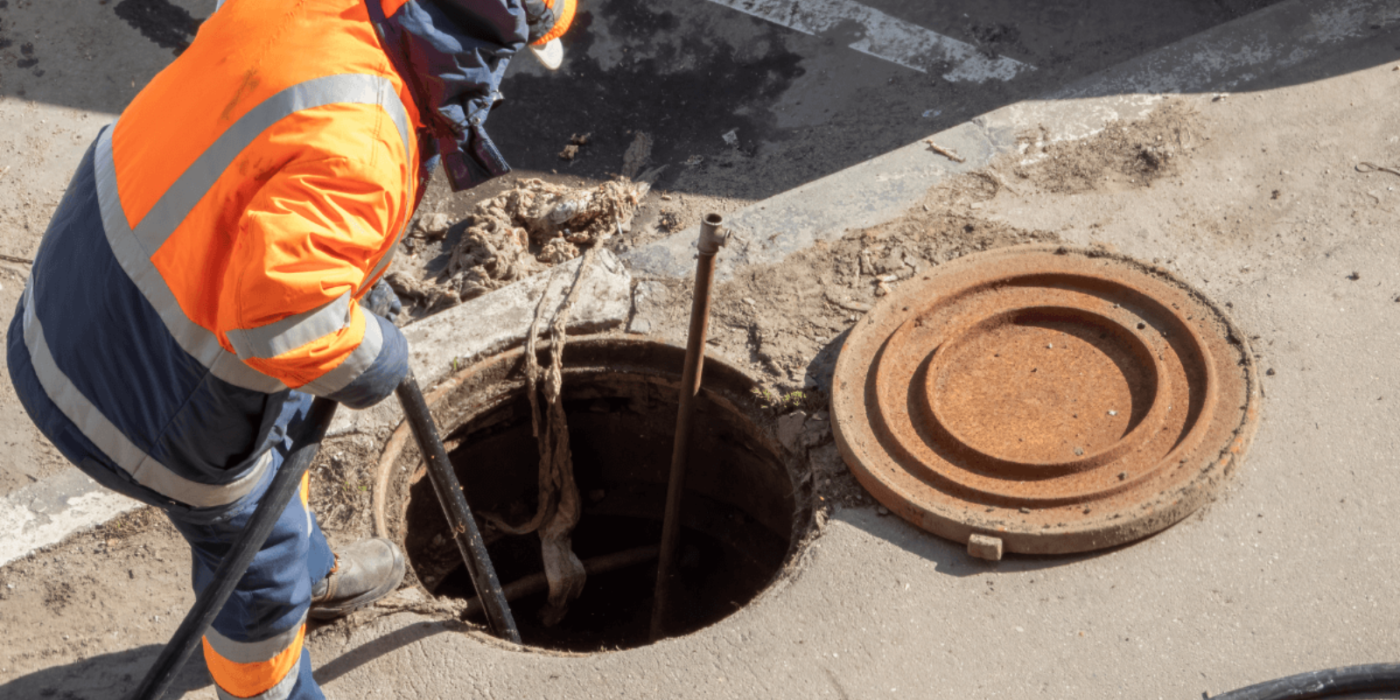
Underground drain problems are a homeowner’s worst nightmare. When left ignored, minor leaks and recurring blockages can escalate into costly structural damage, subsidence, or severe flooding. Historically, fixing damaged drain pipes meant heavy machinery, extensive digging, and ruined landscaping. Traditional excavation can destroy well-maintained gardens, tear up block-paving driveways, and even require flooring to be ripped out inside your home. Not only is this highly disruptive, but the restoration costs often exceed the price of the repair itself. Common Drain Problems Fixed with Pipe Relining?
Fortunately, there is a modern alternative: pipe relining. This innovative, no-dig drain repair solution restores damaged pipes from the inside, saving time, money, and your property’s aesthetics.
At Precision Draincare, we are trusted drain repair specialists serving Reading, Berkshire, West London, and the surrounding areas. In this guide, we will explore the common drain problems that pipe relining can permanently solve, how the process works, and why trenchless technology is the future of drainage maintenance.
What Is Pipe Relining?
Pipe relining is a modern, trenchless method used to repair damaged drainage pipes from the inside out, without the need for excavation.
The process involves inserting a flexible, resin-coated liner into the damaged pipe. Once inflated and cured in place, this resin hardens to create a new, structurally sound pipe within the old one. Because it requires little to no digging, it is commonly referred to as trenchless pipe repair or no-dig pipe repair, offering a faster, cleaner, and highly durable solution to restore your drainage system’s strength and water flow.
How Pipe Relining Works
Understanding how we fix underground pipe repair issues helps highlight why this method is so effective. The process is straightforward, minimally invasive, and can often be completed in a single day.
1. CCTV Drain Inspection
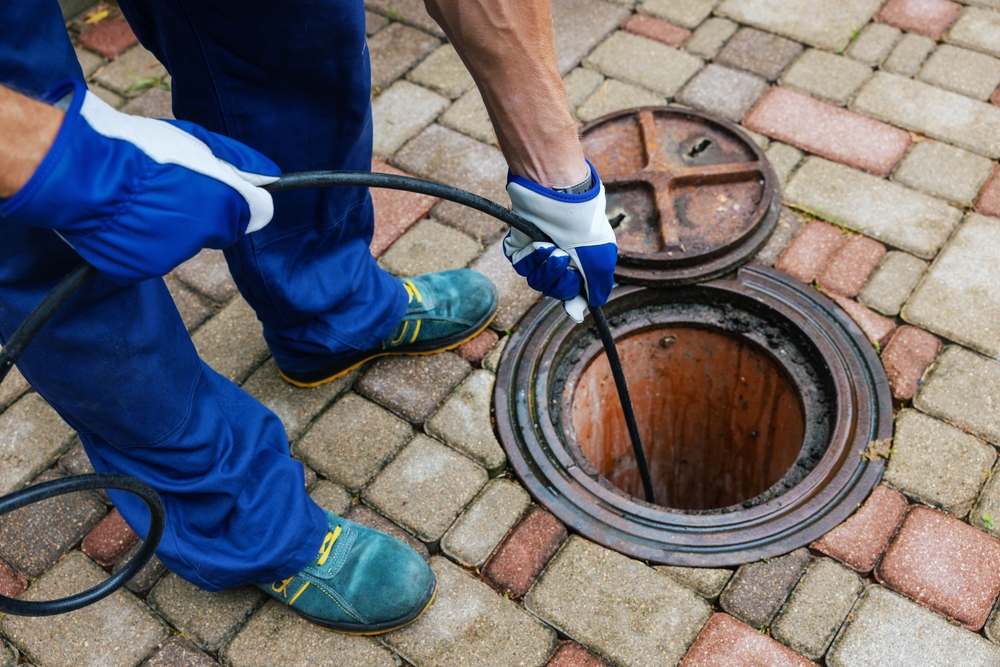
Before any repairs begin, we need to understand the exact nature of the problem. We conduct a thorough CCTV drain inspection using high-tech cameras. This allows us to locate cracks, blockages, or root intrusions without digging a single hole.
2. Cleaning the Damaged Pipe
For the new liner to adhere properly, the existing pipe must be completely clean. We use high-pressure water jetting to remove scale, debris, fat build-ups, and intrusive tree roots, ensuring a smooth surface for the installation.
3. Installing the Resin Liner
A flexible liner, typically made of felt or fibreglass, is saturated with a specialised epoxy resin. This liner is then carefully pulled or inverted into the damaged section of the pipe through an existing access point, such as a manhole.
4. Inflating and Curing the Liner
Once positioned correctly, an internal bladder is inflated, pressing the resin-soaked liner tightly against the walls of the old pipe. Depending on the system used, the resin is cured (hardened) using ambient temperature, hot water, or UV light.
5. Final Inspection and Testing
After the liner has hardened and the bladder is removed, we perform a final CCTV drain survey. This ensures the new pipe is perfectly smooth, structurally sound, and fully sealed, restoring the drain to a better-than-new condition.
Common Drain Problems That Can Be Fixed with Pipe Relining
Pipe relining is a highly versatile solution. Whether you manage a large industrial estate or own a terraced home in Reading, here are the most common drain problems this technology can resolve.
Cracked Drain Pipes
Causes of cracks: Cracks in drain pipes are incredibly common and can be caused by ground movement, heavy vehicle traffic above the pipes, freeze-thaw weathering, or simply the ageing of older clay or concrete pipe systems.
How relining fixes it: Instead of digging up the cracked section, pipe relining coats the entire interior of the pipe. The resin fills and seals all cracks internally, creating a watertight barrier that prevents further water loss and protects against ground subsidence.
Tree Root Intrusion
How roots enter drains: Tree roots naturally seek out moisture and nutrients. Even the tiniest hairline fracture or loose joint in a drainage pipe releases condensation, attracting roots. Over time, these roots force their way in, expanding the crack and creating severe blockages.
How relining fixes it: After we cut away the roots using high-pressure jetting or robotic cutters, we install a resin liner. Because the cured liner is completely seamless, there are no joints or weak points for roots to exploit in the future, providing a permanent barrier against root intrusion.
Corroded or Worn Pipes
Older pipe deterioration: Many older properties in Reading and West London still rely on pitch fibre, cast iron, or older clay pipes. Over decades of use, these pipes suffer from rust, chemical corrosion, and general wear and tear, leading to structural weakening and poor flow.
How relining fixes it: Pipe relining effectively extends the lifespan of an ageing pipe system by up to 50 years. The new resin interior is highly resistant to chemical corrosion and general wear, offering structural integrity that rivals brand-new PVC piping.
Minor Pipe Collapses
Structural weaknesses: When a pipe loses its structural integrity due to severe cracking or ground pressure, it can begin to deform or experience minor, localised collapses.
When relining is suitable: If the pipe has completely collapsed and flattened, excavation is usually required. However, if the collapse is minor and the pipe retains most of its shape, a structural liner can be inserted to push the pipe back into alignment, reinforcing the weakened area and preventing a full collapse.
Leaking Joints
Water escaping through joints: Drain pipes are constructed in sections. Over time, ground settlement can cause the joints connecting these sections to displace or leak. Escaping wastewater can wash away the supporting soil, leading to damp issues, sinkholes, and structural risks to nearby buildings.
How relining fixes it: Pipe relining creates one continuous, seamless pipe inside the old one. By covering up the displaced or leaking joints, it completely stops water from escaping into the surrounding soil.
Recurring Blockages
Rough internal pipe surfaces: If you find yourself constantly calling for drain unblocking services, the issue might be the pipe itself. Older pipes often have rough internal surfaces, scaling, or misaligned joints that catch toilet tissue, fat, and waste, leading to persistent blockages.
How relining fixes it: The new epoxy resin liner creates a perfectly smooth, friction-free internal surface. This dramatically improves the flow rate of wastewater, preventing waste from catching and virtually eliminating recurring blockages.
Small Holes and Fractures
Early-stage pipe damage: Sometimes, a pipe hasn’t cracked entirely but has developed small holes or stress fractures. If ignored, the continuous flow of water will erode the pipe further, eventually causing a massive failure.
How relining fixes it: Fast repair prevents larger failures. Relining patches these small holes effortlessly, saving property owners from having to deal with major excavation work down the line. Patch relining (fixing just a small, specific section of a pipe) is an incredibly cost-effective way to handle minor fractures.
Benefits of Pipe Relining
If you are dealing with damaged drain pipes, choosing a no-dig solution offers significant advantages:
- No major excavation: Keep your gardens, driveways, and interior flooring intact.
- Faster repairs: Most relining jobs are completed in hours rather than the days required for traditional digging.
- Reduced disruption: Less noise, no heavy machinery, and no giant trenches on your property.
- Cost-effective: While the materials are advanced, the savings on labour and avoiding surface restoration make it highly economical.
- Long-lasting solution: Cured resin liners often come with guarantees of up to 50 years.
- Improved pipe flow: The smooth interior increases the hydraulic efficiency of your drainage system.
- Highly versatile: Suitable for both residential and commercial systems of varying diameters.
Pipe Relining vs Traditional Pipe Replacement
How does trenchless pipe repair compare to old-fashioned excavation? Here is a breakdown of why many homeowners and businesses prefer no-dig solutions.
| Feature | Pipe Relining (No-Dig) | Traditional Replacement (Excavation) |
|---|---|---|
| Excavation Required | None to minimal (access via manholes). | Extensive (digging large trenches). |
| Repair Times | Usually completed in 1 day. | Can take several days to weeks. |
| Property Disruption | Minimal. Gardens/driveways unharmed. | High. Landscaping and paving destroyed. |
| Costs | Lower overall (no reinstatement costs). | High (requires paying to rebuild surfaces). |
| Durability | 50+ year lifespan, seamless design. | Highly durable, but joints can fail over time. |
| Environmental Impact | Low carbon footprint, less waste. | High waste, soil displacement, heavy machinery use. |
Signs You May Need Pipe Relining
How do you know if your underground drains are suffering from the problems mentioned above? Look out for these warning signs:
- Recurring blocked drains: Plunging or chemical cleaners only provide a temporary fix.
- Slow drainage: Water takes an unusually long time to drain from sinks, baths, or showers.
- Bad smells: Persistent sewage odours inside or outside your property.
- Damp patches: Unexplained dampness on walls, floors, or foundations.
- Sinkholes or garden wet spots: Lush, overly green patches of grass or dipping soil caused by leaking underground wastewater.
- Cracked external paving: Ground subsidence caused by a collapsed drain washing away sub-soil.
Noticing these signs? Contact Precision Draincare today for expert pipe relining services in Reading.
Is Pipe Relining Suitable for Every Drain Problem?
While pipe relining is a fantastic drain repair solution, it is not a magic cure-all for every single scenario.
Cases where relining works best:
Relining is ideal for cracks, root intrusions, minor deformities, open joints, and general wear.
Situations requiring full excavation:
If a drain has suffered a total structural collapse, has severe dipping (loss of gradient), or is extensively crushed, a resin liner cannot pass through or restore the pipe’s shape. In these rare cases, traditional excavation is unavoidable.
The importance of professional assessment:
This is why a CCTV drain survey is an absolute necessity. A professional assessment from Precision Draincare ensures we prescribe the exact right treatment for your specific drainage issue, avoiding wasted time and money.
Commercial Applications of Pipe Relining
Drainage failures in a commercial setting don’t just cause bad smells—they cause business downtime, health and safety hazards, and lost revenue. Pipe relining is the preferred solution for:
- Restaurants: Preventing blockages from fat and grease build-up without shutting down the kitchen for days.
- Office buildings: Fast repairs that don’t disrupt employees or require digging up staff car parks.
- Industrial sites: Handling heavy-duty wear and chemical exposure with highly durable resin liners.
- Retail units: Keeping shop floors open and trading while underground repairs happen out of sight.
- Schools and public buildings: Ensuring hygienic, safe environments with zero excavation hazards for children or the public.
As commercial drainage experts, Precision Draincare understands that businesses require rapid, discreet, and reliable solutions.
Why Choose Precision Draincare for Pipe Relining in Reading?
When it comes to protecting your property from drainage disasters, you need a team you can trust. At Precision Draincare, we pride ourselves on delivering top-tier professional pipe relining services tailored to your specific needs.
Here is why property owners across Reading, Berkshire, and West London choose us:
- Experienced drainage engineers: Fully trained, certified, and highly knowledgeable.
- Modern trenchless repair technology: We use the latest industry-leading resins and curing methods.
- CCTV inspection expertise: Accurate diagnostics that take the guesswork out of drain repair.
- Fast emergency response: Because drainage disasters rarely wait for normal business hours.
- Residential and commercial services: No job is too large or too small.
- Local Reading coverage: We know the local infrastructure, common soil types, and regional drainage challenges.
Alongside pipe relining, Precision Draincare offers a comprehensive suite of solutions, including CCTV drain surveys, emergency drain repairs, high-pressure drain jetting, commercial drainage services, and preventative maintenance plans.
FAQs
1. What is pipe relining?
Pipe relining is a no-dig method of repairing damaged drains by inserting a resin-coated liner into the existing pipe. Once cured, it forms a brand-new, seamless pipe inside the old one, fixing cracks and leaks without excavation.
2. How long does pipe relining last?
When installed correctly by professionals, pipe relining is a permanent solution. The epoxy resin materials used are incredibly durable and typically come with a life expectancy of 50 years or more.
3. Is pipe relining cheaper than replacing pipes?
Yes. While the materials themselves are advanced, pipe relining saves you money by eliminating the need for expensive excavation, heavy machinery, and the costly reinstatement of driveways, gardens, or flooring.
4. Can relining fix cracked drains?
Absolutely. Cracked drains are one of the most common issues fixed by relining. The resin liner coats the inside of the pipe, sealing all cracks and restoring the structural integrity of the drain.
5. Does pipe relining stop tree roots?
Yes. Tree roots enter pipes through weak joints and small cracks. Because pipe relining creates a completely seamless, joint-free interior, it removes the entry points, effectively preventing future tree root intrusion.
6. Is excavation always necessary for drain repairs?
No. Thanks to modern trenchless technology, the vast majority of drain repairs can be completed without digging. Excavation is only necessary if the pipe has completely collapsed or lost its structural shape entirely.
Conclusion
Ignoring a damaged drain will inevitably lead to worse, more expensive problems down the line. Whether you are dealing with cracked drain pipes, tree root intrusion, or leaking joints, pipe relining offers a seamless, highly durable, and cost-effective solution.
By choosing no-dig pipe repair, you avoid the chaos and expense of traditional excavation, preserving your driveway, garden, and peace of mind. The key is catching the problem early before a minor fracture turns into a total pipe collapse.
If you suspect your drains are damaged, don’t wait for a disaster. Contact Precision Draincare today for professional advice, comprehensive CCTV drain surveys, and expert pipe relining services in Reading.
Repair damaged drains without excavation using modern no-dig solutions. Call Precision Draincare to book your inspection today.
