Few household problems cause as much stress as a drain that suddenly stops working. One moment your sink drains normally, and the next you are facing standing water, foul smells, and the threat of flooding. Understanding the Common Causes of Emergency Drain Blockages in Reading Properties helps you spot trouble early and act before a minor issue turns into a costly repair. This guide explains why blockages happen, how to recognise the warning signs, and what you can do to keep your drainage system flowing freely.
Whether you own your home or manage a rental property, knowing what puts your drains at risk gives you a real advantage. Let us walk through the practical causes, prevention tips, and professional solutions every Reading resident should know.
Understanding Drain Blockages in Reading Homes
Reading sits within the Thames Valley, an area with a mix of older Victorian housing, modern estates, and properties built on clay-heavy soil. This combination creates a unique set of drainage challenges. Older pipes are more prone to cracks and root intrusion, while newer developments can struggle with shared drainage that overloads during heavy use.
Drain blockages rarely appear from nowhere. They usually build up over weeks or months as debris collects inside the pipework. By the time you notice a problem, the blockage may already be severe. That is why early knowledge matters so much.
Why Drain Emergencies Happen Suddenly
A drain might seem fine for ages, then fail overnight. The reason is simple. Debris slowly narrows the pipe until only a thin channel of water can pass through. One extra bit of grease or a flushed wipe is all it takes to seal the gap completely.
Heavy rainfall can also trigger a sudden failure. When the system is already partly clogged, a downpour overwhelms it instantly. This is why so many emergencies happen during storms or after a busy weekend of cooking and cleaning.
Early Warning Signs of Blockages
Your drains often warn you before they fail. Watch for these signals:
- Water draining slowly from sinks, baths, or showers
- Gurgling sounds from plugholes or toilets
- Unpleasant smells rising from drains
- Water pooling around outdoor gullies
- Toilets that fill higher than normal before clearing
Spotting these signs early gives you time to call for help before a full blockage forces water back into your home.
Common Causes of Emergency Drain Blockages in Reading Properties
Understanding what actually causes blockages is the first step towards preventing them. Most drainage emergencies in the area come down to a handful of repeat offenders. Below we cover the biggest culprits and explain how each one builds up over time.
Fat, Oil and Grease Build Up in Kitchen Drains
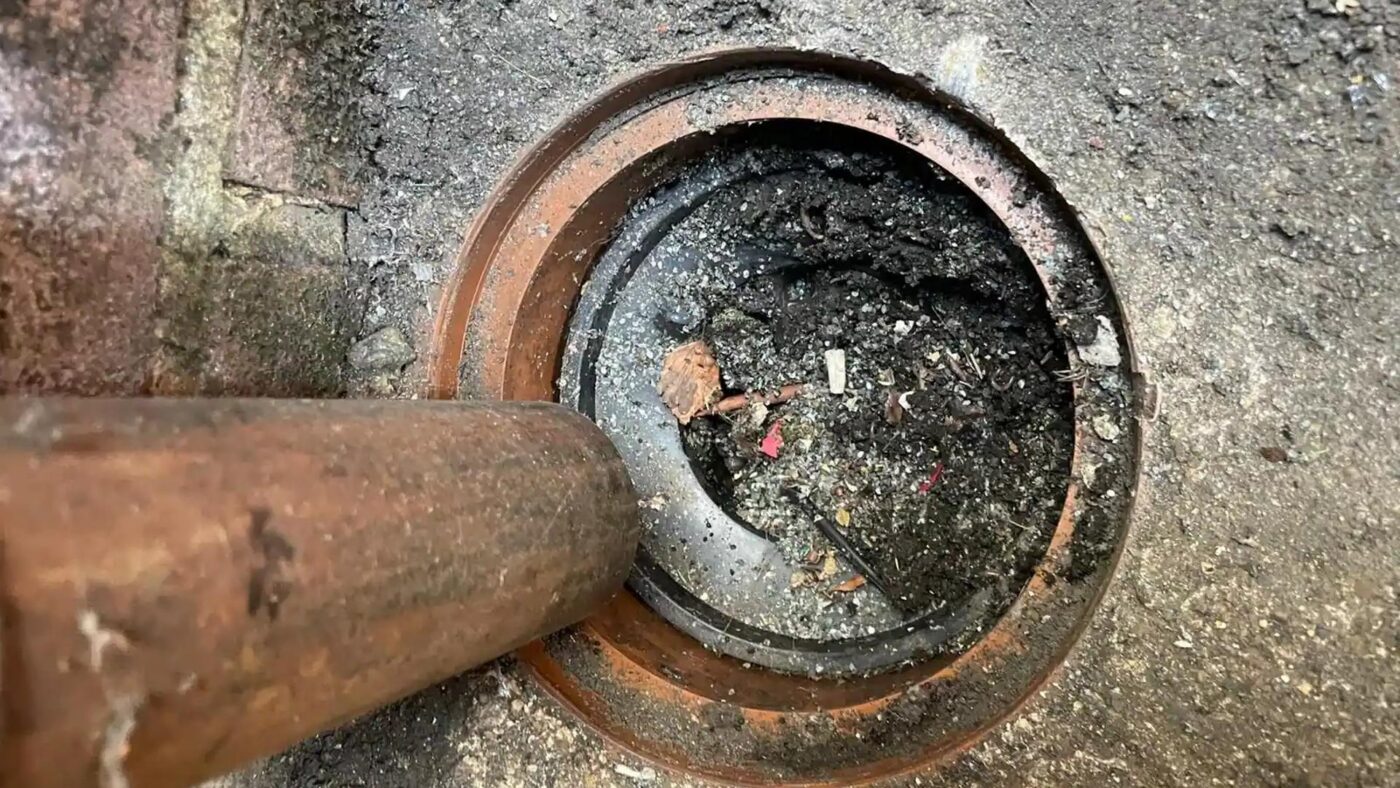
Cooking fats are one of the leading causes of kitchen drain failures. When you pour hot oil down the sink, it seems harmless. But as it cools, it hardens and sticks to the inside of your pipes. Over time, layers build up and trap food particles, forming a solid mass.
A Reading homeowner who regularly tips frying oil down the sink may notice slow drainage within months. Eventually the pipe blocks entirely. The fix is simple: let fats cool, then scrape them into the bin rather than the drain.
Wet Wipes and Non Flushable Items
Wet wipes are marketed as flushable, but most do not break down like toilet paper. They cling together and snag on rough pipe surfaces, forming stubborn clogs. Combined with grease, they create the notorious blockages that drainage engineers deal with daily.
Cotton buds, sanitary products, kitchen roll, and nappies cause the same trouble. The only items that should ever go down a toilet are the three Ps: pee, paper, and poo.
Tree Root Intrusion in Underground Pipes
Tree roots seek out moisture, and a tiny crack in an underground pipe is an open invitation. Roots work their way inside, then grow into thick masses that block the flow completely. Older clay pipes common in parts of Reading are especially vulnerable.
If you have mature trees near your drainage runs, root intrusion is a real risk. A CCTV drain inspection Reading survey can confirm whether roots have entered your pipes and how far the damage has spread.
Heavy Rainfall and Storm Water Overload
The Thames Valley sees its share of heavy rain. When storm water enters a drainage system already carrying debris, it can overwhelm the pipes quickly. Surface water has nowhere to go, so it backs up into gardens, driveways, and sometimes homes.
Properties with combined sewers, where rainwater and wastewater share the same pipe, face the highest risk during prolonged downpours.
Household Habits That Cause Drain Blockages
Daily routines have a bigger impact on your drains than most people realise. Small habits repeated over time create the conditions for serious blockages. The good news is that changing these habits costs nothing and protects your pipes for years.
Incorrect Waste Disposal Practices
Many blockages start in the kitchen and bathroom because waste ends up in the wrong place. Coffee grounds, eggshells, and starchy foods like rice and pasta swell and clump inside pipes. Treating your sink as a bin is a fast route to an emergency call out.
Common mistake: rinsing leftover sauces and oils down the plughole.
What to do instead: wipe greasy pans with kitchen roll before washing, and bin solid scraps.
Hair and Soap Build Up in Bathrooms
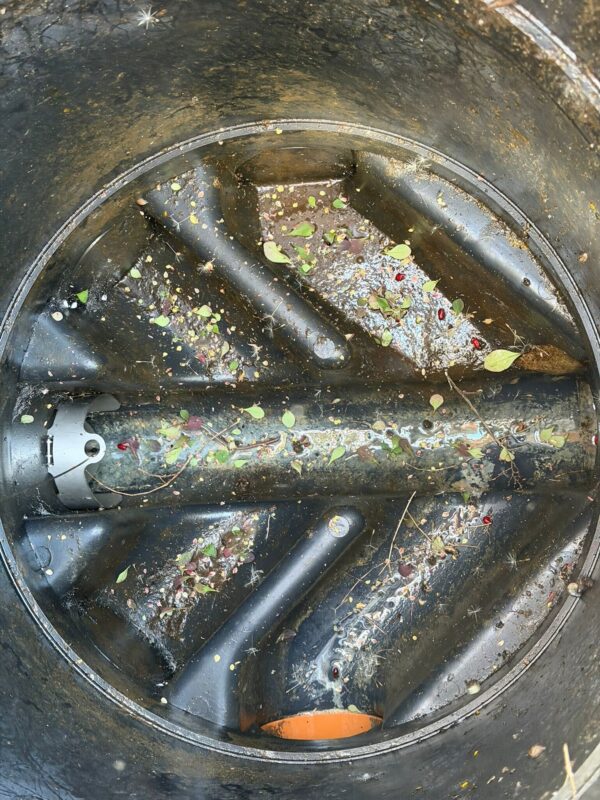
Bathroom drains face a constant flow of hair, soap, and skin debris. Hair tangles around any rough spot inside the pipe, and soap scum binds it all together. The result is a dense plug that water cannot pass.
A simple drain cover over your shower or bath plughole catches hair before it enters the system. Clean it weekly and you will avoid most bathroom blockages.
Food Waste Entering Drain Systems
Even with a strainer in place, small food particles slip through. Over time these settle in bends and low points within the pipework. Landlords with shared kitchens in HMO properties often see this problem because of higher usage and varied tenant habits.
Encouraging tenants to scrape plates into the bin and use a sink strainer makes a noticeable difference.
External Causes of Drain Emergencies
Not every blockage starts inside your home. Some of the most serious problems come from the condition of the pipes themselves, which sit hidden underground. These issues often need professional equipment to diagnose and repair.
Collapsed or Damaged Pipes
Pipes can collapse due to age, ground movement, or pressure from heavy vehicles parked above them. A collapsed section traps everything that flows through it, causing repeated blockages no matter how often you clear them.
If a drain blocks again within days of being cleared, structural damage is a likely cause. This is where drainage repair experts become essential, since the pipe itself needs fixing rather than just unblocking.
Misaligned Drain Connections
Ground shifts and poor original installation can leave pipe joints misaligned. Even a small step between two sections catches debris and slows the flow. Over time this creates a reliable blockage point that worsens with every use.
Misalignment is common in older Reading properties that have settled over decades. A camera survey quickly reveals the problem.
Old or Deteriorating Drain Systems
Many homes in the area still rely on original clay or pitch fibre pipes. These materials degrade, crack, and lose shape as they age. An ageing system is far more likely to block, leak, or collapse than modern plastic pipework.
If your property is several decades old and has never had its drains assessed, an inspection is a wise investment.
Why Drain Blockages Become Emergencies
A slow drain is an annoyance. A fully blocked one becomes an emergency that can damage your property and health. Knowing how quickly things escalate helps you understand why fast action matters so much.
Sudden Water Backups
When a drain blocks completely, water has nowhere to go but back up the way it came. Sinks fill, toilets refuse to flush, and dirty water can surge into baths and showers. In severe cases, waste water rises through the lowest fixtures in the home.
Sewage Overflow Risks
A blocked sewer can force raw sewage back into your property. This is both unpleasant and a genuine health hazard, carrying bacteria and unpleasant odours. Cleaning up after a sewage backup is costly and stressful, which is why prevention is always cheaper than the cure.
Property Flooding Risks
When drains cannot cope, water spreads. Floors, carpets, and skirting boards soak through, and the damage can run into thousands of pounds. For landlords, this also means displaced tenants and lost rental income. Rapid 24 hour drain unblocking is often the only way to limit the damage once an emergency strikes.
How Professionals Fix Emergency Drain Blockages
When a blockage is beyond a plunger or a bottle of drain cleaner, professional help is the safe choice. Modern drainage companies use specialist equipment to clear and repair pipes without unnecessary digging. Here is what the experts actually do.
High Pressure Jetting Solutions
High pressure water jetting blasts away grease, scale, and debris from inside the pipe. The powerful jets scour the pipe walls clean, restoring full flow without harsh chemicals. This method is ideal for stubborn grease and food blockages in kitchen drains.
It is fast, effective, and leaves the pipe in far better condition than chemical cleaners ever could.
CCTV Drain Surveys
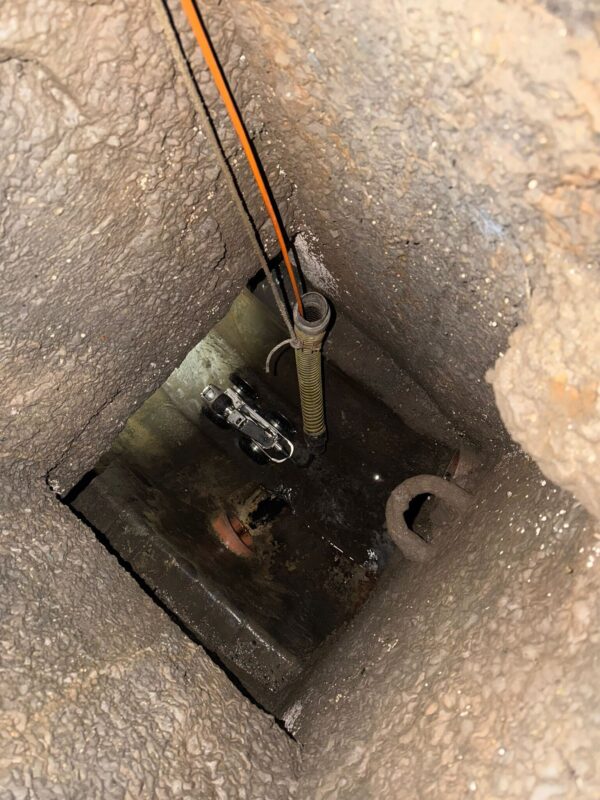
A camera survey sends a small waterproof camera through your pipes to find the exact cause and location of a problem. This removes guesswork and means repairs target the real issue. As blocked drain specialists Reading rely on, these surveys are invaluable for diagnosing hidden damage like cracks, roots, or collapses.
Drain Repair and Pipe Relining
Where pipes are damaged, relining offers a clever solution. A resin liner is inserted into the existing pipe and cured in place, forming a new pipe within the old one. This avoids the cost and disruption of excavation in many cases.
For collapsed sections, targeted excavation and replacement may be needed, but relining handles most cracks and minor breaks.
How to Prevent Drain Blockages in Reading Properties
Prevention is far easier and cheaper than dealing with an emergency. A few sensible habits and occasional checks keep your drainage system healthy for years. Use the simple routine below to protect your property.
Regular Drain Maintenance
Flush your drains with hot water regularly to shift any early grease build up. For an extra boost, pour a mix of bicarbonate of soda and white vinegar down the drain, leave it for a while, then rinse with hot water. This natural method keeps minor build up under control.
Safe Waste Disposal Practices
Keep a simple rule for the whole household: only water, paper, and human waste go down the toilet, and only liquids go down the sink. Bin everything else. Sharing these rules with tenants helps landlords avoid repeat call outs.
Routine Professional Inspections
Booking an occasional inspection catches problems before they become emergencies. Professional drainage services can survey your system, clear early build up, and flag any structural concerns. For older properties, an inspection every couple of years is a smart safeguard.
Choosing the Right Drainage Experts in Reading
Not all drainage companies offer the same level of service. When an emergency strikes, you want a team that responds quickly and fixes the problem properly. Here is what to look for.
Importance of Fast Response Services
Time matters during a drainage emergency. The longer a blockage sits, the more damage it causes. Choose a company offering rapid call out and clear arrival times. Fast response drain engineers can be the difference between a quick fix and a flooded home.
Experience and Local Knowledge
A team that knows Reading understands the local pipework, soil conditions, and common problems in different areas. This local insight speeds up diagnosis and leads to better long term solutions.
Modern Drain Cleaning Technology
The best drainage firms invest in current equipment such as high pressure jetting units, camera survey kit, and relining tools. Modern technology means cleaner, faster, and less disruptive repairs.
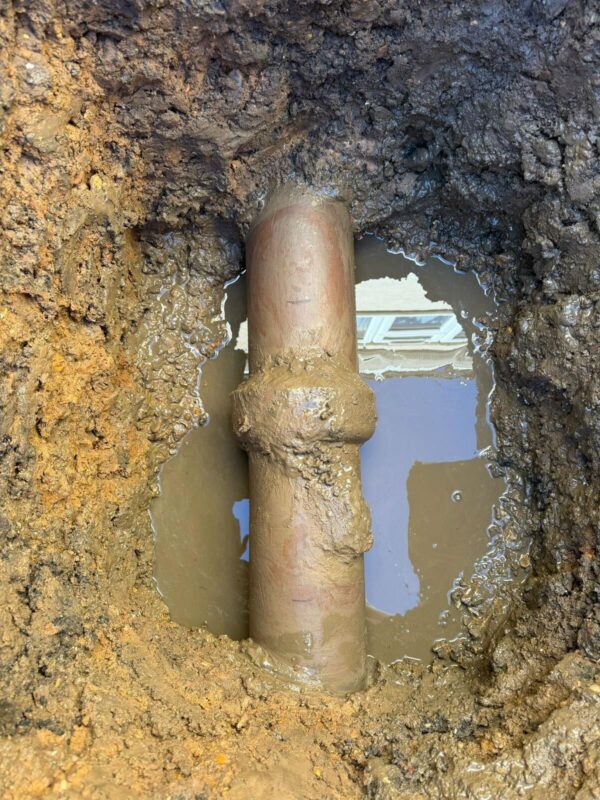
Why Choose Precision Draincare
Precision Draincare combines local expertise with modern equipment to handle drainage problems of every size. The team works with homeowners and landlords across the area, delivering practical solutions without unnecessary cost or disruption.
Reliable Emergency Drain Services
When something goes wrong, you need a team you can trust. Precision Draincare provides dependable emergency drain support Reading residents rely on, day or night. From sudden backups to overflowing sewers, the team responds with the right tools and clear advice.
Fast Response Across Reading
Covering the whole of Reading and the surrounding Thames Valley, Precision Draincare reaches you quickly when it matters most. Rapid arrival means less damage to your property and less stress for you.
Advanced Drain Repair Solutions
Beyond unblocking, the team offers full repair services including jetting, camera surveys, and pipe relining. This means problems are not just cleared but properly resolved, reducing the chance of repeat emergencies. Booking emergency drainage services Reading gives you access to the complete range of solutions under one roof.
Frequently Asked Questions
What are the most common drain blockage causes?
The most frequent causes are fat, oil and grease in kitchen drains, wet wipes and non flushable items in toilets, hair and soap build up in bathrooms, food waste, and tree root intrusion in underground pipes. Ageing or damaged pipework also plays a major role, especially in older properties.
Can wet wipes cause serious drain blockages?
Yes. Despite being labelled flushable, most wet wipes do not break down like toilet paper. They cling together and bind with grease to form stubborn masses that block pipes completely. Always bin wet wipes rather than flushing them.
How do tree roots affect drainage systems?
Tree roots search for moisture and exploit any small crack or joint in a pipe. Once inside, they grow into thick fibrous masses that trap debris and block the flow. Older clay pipes are especially vulnerable, and a camera survey is the best way to confirm root intrusion.
When do drain blockages become an emergency?
A blockage becomes an emergency when water backs up into your home, sewage overflows, or flooding threatens your property. These situations pose health risks and can cause expensive damage, so they need urgent professional attention.
Conclusion
Drainage problems can escalate fast, but most are entirely preventable with the right knowledge and habits. By understanding the Common Causes of Emergency Drain Blockages in Reading Properties, you can protect your home or rental from grease build up, flushed wipes, tree roots, and ageing pipes. Simple steps like correct waste disposal, regular maintenance, and occasional professional checks go a long way.
When trouble does strike, fast action limits the damage. Precision Draincare offers the experience, technology, and rapid response you need to keep your property safe and flowing freely. Do not wait for a slow drain to become a full emergency. Explore Precision Draincare’s emergency drainage services today and give your drains the protection they deserve.
